



Choosing the perfect engagement ring can be intimidating. From styles to materials to price, it can be difficult to start. Here at South Shore Diamond Exchange, we understand every single one of these concerns and will help you out every step of the way.
What Are CVD Diamonds?
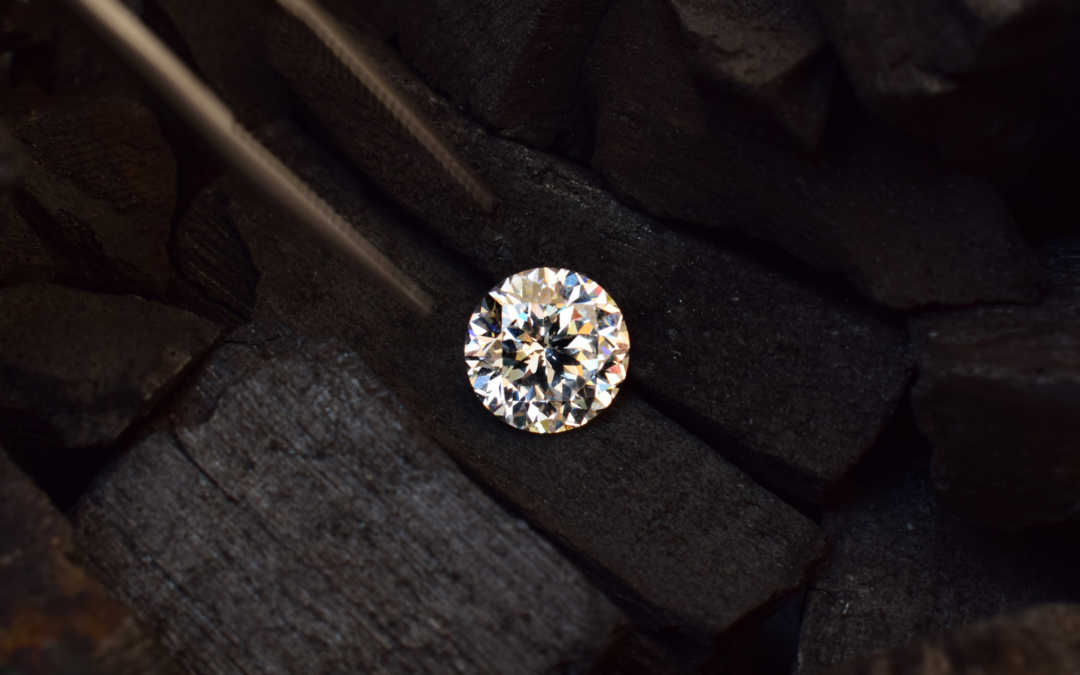
CVD stands for Chemical Vapor Deposition: a common method used to create diamonds in a lab. CVD diamonds are man-made, but are identical to naturally made diamonds- only specialized equipment can tell the difference between the two types. CVD is one of two ways to make diamonds in a lab, the other process being HPHT (High Pressure High Temperature) but CVD is generally said to be the better option, as the CVD process takes less energy while producing extremely high quality diamonds.
How the Process Works
A small diamond shard is placed in a sealed chamber and heated to about 800 degrees Celsius. The chamber is then filled with carbonized gas, which ionizes in the high temperature, allowing the carbon molecules to attach to the original shard and grow into a complete diamond. When the desired size is achieved, the process ends and the new diamond is removed. Finally, the rough stone is cut and polished before making its way to a jeweler.
Depending on the size, color, and clarity of the diamond, the process can take anywhere from five days to one month, making these diamonds much less rare than natural grown diamonds, and as a result, making them significantly cheaper.
The Pros And Cons Of CVD Diamonds
While lab-made and natural diamonds are relatively identical, there is much to consider when deciding on which one to buy.
Pros of CVD
Firstly, CVD diamonds are much less expensive than natural diamonds. Typically, the price range for a CVD diamond is anywhere from 20 to 50 percent cheaper than a natural diamond of the same size.
Next, lab grown diamonds are ecologically sustainable and more environmentally friendly than natural diamonds. Mined diamonds take millions of years to form deep below the earth’s surface, so they are extremely rare and require lots of effort and equipment to properly extract from the ground.
Finally, lab grown diamonds are 100% ethically sourced. Many natural diamonds on the market have been obtained by unethical means in order to decrease prices and increase sales.
Cons of CVD
Although the two types are fairly similar, there are a few factors that may alter your decision to choose a CVD diamond.
Some would argue that despite the almost identical appearance of lab and natural diamonds, the natural ones still seem to have a cleaner, more brilliant look to them, although it is really just personal taste.
Similarly, many couples attach heavy meaning to naturally grown diamonds- saying that the rare stone symbolizes the beauty and strength that comes from facing adversity together.
Conclusion
The choice is entirely yours! Whether you want a CVD diamond or a natural stone for your engagement, the final decision is entirely up to you. Visit our website to browse the countless options of both types, and schedule a private viewing to find the ring of your dreams today!